





Package Details
Operation

Anesthesia

Healing

Clinic Stay

Total Stay

Back to Work

Description Package
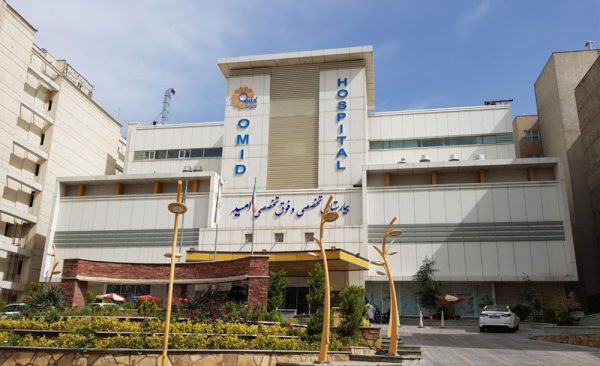
In International Department This Health Center we provide Cardiovascular in a package that has been described below in details:
1. Costs for physician
2. Costs for anesthesiologist
3. Costs for operation room
4. Costs for laboratory
[read more]
5. Costs for medicine and equipment
6. Costs for residence in ward
7. Costs for patient’s companions
8. Costs for meals(breakfast, lunch, and dinner) for patient and one of his companions
9. Costs for transfer from hospital to patient’s residence place
10. Costs for nursing services
In the packages provided, we have tried to calculate the maximum price of the service and most likely you will not be charged more.
In the event of unexpected complications that result in staying more, for a period of two days in the normal ward and one day in the intensive care unit, you will not be charged any additional costs.
During the stay, if symptoms such as fever, nausea, vomiting, and pain lead to prolonged admission, additional costs will not be imposed on you.
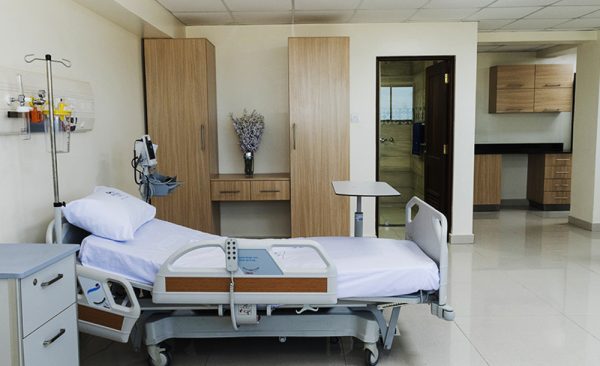
Facilities of the ward rooms conclude:
1. Patient’s bed
2. Bed sofas for patient’s companions
3. TV
4. Kettle
5. Daily services for tea, coffee, and fruit
6. Rest room and its equipment
7. Refrigerator
The time of discharging is midday)12(, but if you do not leave the hospital room until midnight after discharge, additional charges will not be calculated for you.
[/read]
Special services
About Health Center

Question and Answer

Lithium
Lithium Primary batteries are used in pacemakers since they meet the requirements of long life, low drain current and voltage characteristics. The shelf life of primary lithium cells is typically equivalent to a 10% loss of capacity over five years.
The SA node is sometimes called the heart’s “natural pacemaker.” The SA node sends electrical impulses at a certain rate, but your heart rate may still change depending on physical demands, stress, or hormonal factors.
The Cleveland Clinic cardiologist who led the study concluded that physicians should switch off the pacemaker function on dual-chamber implantable defibrillators because it may knock the heart out of rhythm and hasten heart failure. The pacemaker uses a mild electrical impulse to continuously control the heartbeat.
Pacemakers: dos and don’ts
Don’t use an induction hob if it is less than 60cm (2 feet) from your pacemaker. Don’t put anything with a magnet within 15cm (6in) of your pacemaker. Don’t linger for too long in shop doorways with anti-theft systems, although walking through them is fine.
Baseline patient characteristics are summarized in Table 1: The median patient survival after pacemaker implantation was 101.9 months (approx. 8.5 years), at 5, 10, 15 and 20 years after implantation 65.6%, 44.8%, 30.8% and 21.4%, respectively, of patients were still alive.
Getting Started

Familiarity With Doctors




Admin1 –
good
Admin1 –
nice