





Package Details
Operation

Anesthesia

Healing

Clinic Stay

Total Stay

Back to Work

Description Package
In International Department This Health Center we provide Transplant in a package that has been described below in details:
1. Costs for physician
2. Costs for anesthesiologist
3. Costs for operation room
4. Costs for laboratory
5. Costs for medicine and equipment
[read more]
6. Costs for residence in ward
7. Costs for patient’s companions
8. Costs for meals(breakfast, lunch, and dinner) for patient and one of his companions
9. Costs for transfer from hospital to patient’s residence place
10. Costs for nursing services
In the packages provided, we have tried to calculate the maximum price of the service and most likely you will not be charged more.
In the event of unexpected complications that result in staying more, for a period of two days in the normal ward and one day in the intensive care unit, you will not be charged any additional costs.
During the stay, if symptoms such as fever, nausea, vomiting, and pain lead to prolonged admission, additional costs will not be imposed on you.
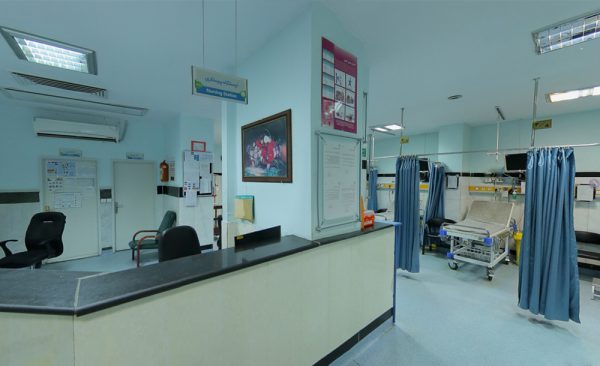
Facilities of the ward rooms conclude:
1. Patient’s bed
2. Bed sofas for patient’s companions
3. TV
4. Kettle
5. Daily services for tea, coffee, and fruit
6. Rest room and its equipment
7. Refrigerator
The time of discharging is midday)12(, but if you do not leave the hospital room until midnight after discharge, additional charges will not be calculated for you.
[/read]
Special services
About Health Center

Question and Answer

Most people live more than 10 years after a liver transplant and many live for up to 20 years or more. Read more about life after a liver transplant.
Nevertheless, liver transplants are the second most common type of transplant surgery after kidney transplants, with more than 157,000 carried out in the United States since 1988. In 2015 alone, 7,100 liver transplants took place, with 600 of those surgeries performed on people 17 years of age or younger.
The long-term success rate is 55-60 percent and most patients lead a normal and healthy life post-transplant but have to take lifelong medications and make some major lifestyle changes. Every year, around 20-25 people per million of the world population require a liver transplant.
acute rejection. the return of liver disease. cancer. medical complications, such as high blood pressure, infection, diabetes, and high cholesterol.
The waiting period for a deceased donor transplant can range from less than 30 days to more than 5 years. How long you will wait depends on how badly you need a new liver.
Getting Started

Familiarity With Doctors





Admin1 –
good
Admin1 –
nice