
Hair-transplantation
Hair transplantation is a surgical procedure that involves moving hair follicles from one part of the body (called the donor site) to a bald or balding part of the body (the recipient site). Typically, it is used to treat male pattern baldness, although it can also be used to restore eyelashes, eyebrows, beard hair, and to fill in scars caused by accidents or surgery.
The procedure is usually performed under local anesthesia and involves removing hair follicles from areas of dense hair growth (such as the back or sides of the scalp) and implanting them into the bald or thinning areas. There are two primary methods for harvesting hair follicles: Follicular Unit Transplantation (FUT) and Follicular Unit Extraction (FUE).
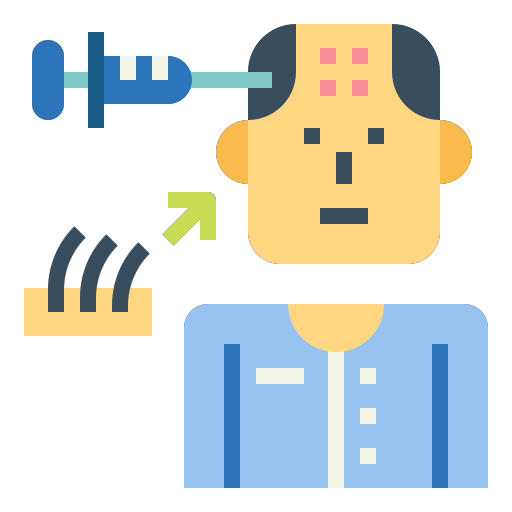
Follicular Unit Transplantation (FUT)
Involves removing a strip of skin with hair follicles from the donor area and then dissecting it into individual follicular units for transplantation.

Follicular Unit Extraction (FUE)
Involves individually harvesting follicular units directly from the donor area using tiny punches and then transplanting them into the recipient site.
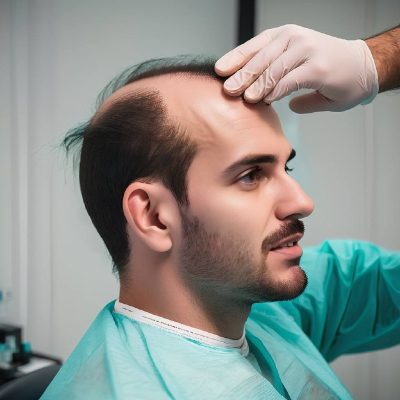
Hair transplantation is considered a relatively safe and effective treatment for hair loss, providing natural-looking results over time as the transplanted hair follicles continue to grow like normal hair. Recovery time can vary, but most people can resume normal activities within a few days to a week after the procedure.
Certainly! Here’s a detailed overview of the before, after, and the procedure itself for hair transplantation:
Before Hair Transplantation:
1. Consultation:
Initially, you’ll consult with a hair transplant surgeon or specialist. During this consultation, your medical history will be reviewed, and your scalp will be examined to determine the extent of hair loss and the best course of action.
2. Discussion of Goals:
3. Preparation:
4. Planning:
The surgeon will plan the transplant by deciding on the number of grafts needed, the donor site from which hair follicles will be harvested, and the recipient sites where the follicles will be transplanted.
Hair Transplantation Procedure:
1. Anesthesia:
On the day of the procedure, local anesthesia is administered to numb both the donor and recipient areas. This ensures you remain comfortable during the surgery.
2. Follicle Harvesting:
Follicular Unit Extraction (FUE): Individual hair follicles are harvested directly from the donor area using a tiny punch tool. This method leaves small, round scars that are less noticeable compared to FUT’s linear scar.
3. Graft Preparation:
The harvested follicular units are carefully prepared under a microscope to ensure they remain intact and viable.
4. Recipient Site Preparation and Implantation:
The surgeon creates tiny incisions in the recipient area where the hair will be transplanted. These incisions are made at an angle and density that mimic natural hair growth.
The prepared grafts are then meticulously placed into these incisions, ensuring proper orientation and alignment for natural-looking results.
5. Post-Procedure Care:
After the procedure, the scalp may be bandaged temporarily. You’ll receive instructions on how to care for the transplanted area, including how to wash and manage the scalp to promote healing and minimize any discomfort.
After Hair Transplantation:
1. Immediate Post-Procedure:
2. Recovery:
Most people can resume normal activities within a few days to a week after the procedure. Strenuous activities and heavy exercise should be avoided for a few weeks to allow the scalp to heal properly.
Follicular Unit Extraction (FUE): Individual hair follicles are harvested directly from the donor area using a tiny punch tool. This method leaves small, round scars that are less noticeable compared to FUT’s linear scar.
3. Growth Timeline:
4. Results:
The prepared grafts are then meticulously placed into these incisions, ensuring proper orientation and alignment for natural-looking results.
5. Follow-up:
Hair transplantation can significantly improve the appearance and confidence of individuals experiencing hair loss, providing a long-term solution to restore natural-looking hair density.
How many times can hair transplantation be performed?
Hair transplantation can be performed multiple times as needed, depending on the individual’s hair loss pattern, the availability of donor hair, and their aesthetic goals. There isn’t a set limit on the number of procedures, but it’s typically recommended to wait until the transplanted hair has fully grown and stabilized before considering additional sessions. Consulting with a qualified hair transplant surgeon can provide personalized advice based on your specific situation and desired outcomes.
who is good candidate for hair transplant
A good candidate for hair transplantation typically meets certain criteria that indicate they are likely to achieve successful results from the procedure. Here are characteristics of a good candidate:
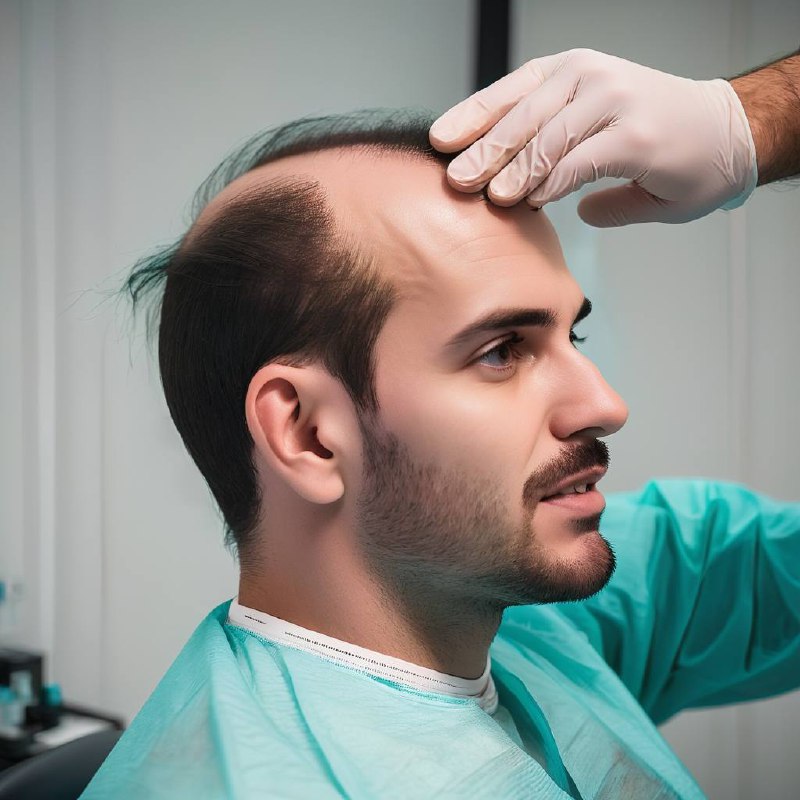
1. Sufficient Donor Hair:
The candidate should have an adequate supply of donor hair, usually from the back or sides of the scalp, which is resistant to hair loss caused by genetic factors.
3. Good General Health:
Candidates should be in good overall health and free from conditions that could impair healing or increase the risks associated with surgery.
5. Sufficient Scalp Laxity:
Good scalp laxity allows for easier harvesting and transplantation of hair follicles.
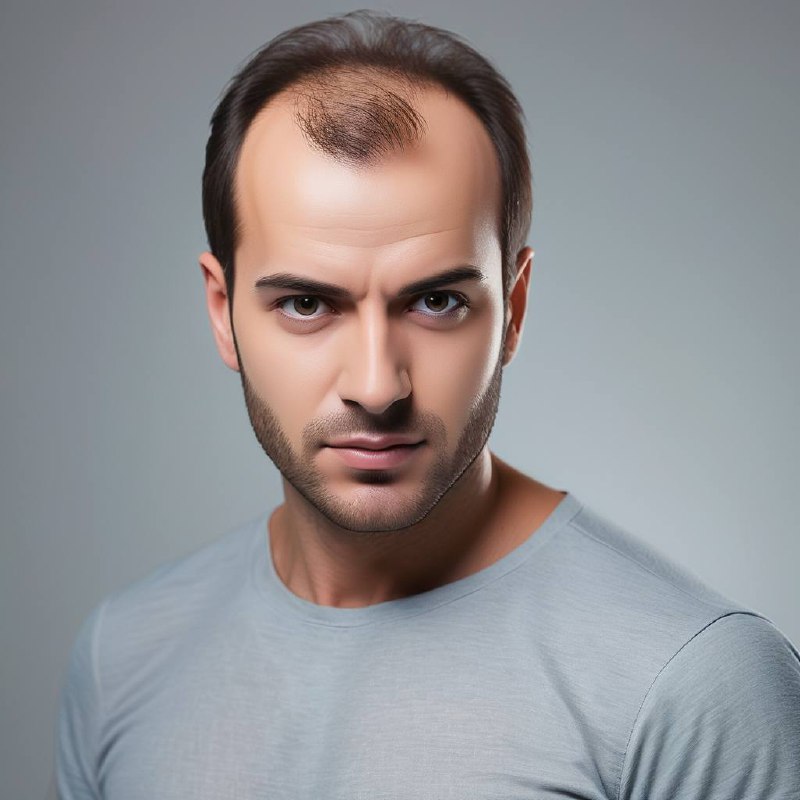
2. Stable Hair Loss:
Candidates whose hair loss has stabilized are more suitable. This helps ensure that the transplanted hair will not be affected by ongoing hair loss.
4. Realistic Expectations:
Having realistic expectations about the outcomes of hair transplantation is crucial. Candidates should understand that while the procedure can significantly improve hair density and appearance, it may not restore a full head of hair to its original density.
6. Non-Smoker:
Smoking can negatively impact healing and graft survival, so candidates are typically advised to quit smoking prior to and after the procedure.
7. Consultation with a Specialist:
A consultation with a qualified hair transplant surgeon is essential. They can assess the candidate’s hair loss pattern, donor hair availability, and overall suitability for the procedure.
By meeting these criteria, candidates can maximize their chances of achieving natural-looking and satisfactory results from hair transplantation.
hair transplant for women
Hair transplant procedures can be performed on women who experience hair loss, although the approach and considerations may differ slightly compared to men. Here are some key points regarding hair transplant for women:
1. Types of Hair Loss:
Women typically experience hair loss differently than men. While male pattern baldness (androgenetic alopecia) is common in men, women may experience diffuse thinning or hair loss due to various factors such as hormonal changes, genetics, medical conditions, or trauma.
4. Expectations:
Women should have realistic expectations about the outcomes of the procedure. While hair transplantation can improve hair density and appearance, achieving full restoration to pre-hair loss levels may not always be possible.
2. Evaluation:
A thorough evaluation by a qualified hair transplant surgeon is crucial. They will assess the pattern and extent of hair loss, the quality of donor hair (usually from the back or sides of the scalp), and any underlying medical conditions that may be contributing to hair loss.
5. Post-Procedure Care:
After the transplant, women will need to follow specific care instructions provided by their surgeon to promote healing and ensure optimal growth of transplanted hair.
3. Treatment Options:
Depending on the type and severity of hair loss, different transplant techniques may be considered:
Follicular Unit Extraction (FUE): Individual hair follicles are harvested and transplanted to the recipient area.
Follicular Unit Transplantation (FUT): A strip of scalp containing hair follicles is removed from the donor area and dissected into smaller grafts for transplantation.
6. Consultation:
It's essential for women considering hair transplantation to consult with a specialist who has experience in treating female hair loss. They can provide personalized advice and discuss alternative treatments if hair transplantation isn't suitable or desired.
Overall, while hair transplant can be an effective option for women experiencing hair loss, careful evaluation and consultation with a qualified surgeon are necessary to determine the most appropriate treatment plan.
eyebrow transplant
Eyebrow transplant is a procedure designed to enhance or restore the appearance of eyebrows that are thin, sparse, or lacking in density. Here are the key aspects of eyebrow transplant:
Procedure Overview:
Candidacy:
Candidates for eyebrow transplant include individuals with:
Sparse or thin eyebrows due to genetics, over-plucking, trauma, or medical conditions.
Desire for fuller, well-defined eyebrows that enhance facial aesthetics.
Adequate donor hair available for transplantation.
Consultation: It’s important to consult with a qualified surgeon specializing in eyebrow transplant to discuss expectations, evaluate candidacy, and plan a personalized treatment approach.
Eyebrow transplant can effectively restore natural-looking eyebrows and enhance facial symmetry, providing a long-term solution for individuals seeking to improve their eyebrow aesthetics.
The “best” type of hair transplant depends on various factors, including individual hair loss patterns, preferences, and the expertise of the surgeon. Here are the two main types of hair transplant techniques commonly used:
1. Follicular Unit Extraction (FUE):
– Description: FUE involves harvesting individual hair follicles from the donor area (typically the back or sides of the scalp) using a small, specialized punch tool.
Advantages:
– Minimal scarring: FUE leaves tiny, dot-like scars that are less noticeable compared to the linear scar left by FUT.
– Suitable for smaller sessions: FUE is ideal for patients who require smaller numbers of grafts.
– Less discomfort and quicker recovery: Patients generally experience less post-operative discomfort and a faster recovery period compared to FUT.
– Considerations: FUE can be more time-consuming and may be slightly more expensive than FUT, especially for larger procedures.
2. Follicular Unit Transplantation (FUT):
– Description: FUT involves removing a strip of scalp from the donor area, which is then dissected under a microscope into individual follicular units (groups of hair follicles).
Advantages:
– Higher yield of grafts: FUT can typically yield a higher number of grafts in a single session compared to FUE.
– Cost-effective for larger sessions: FUT may be more cost-effective for patients requiring a larger number of grafts.
– Considerations:
– Leaves a linear scar: FUT leaves a linear scar at the donor site, which can be covered by surrounding hair but may be visible if the hair is cut short.
– Longer recovery: Recovery time may be slightly longer compared to FUE due to the nature of the surgical incision.
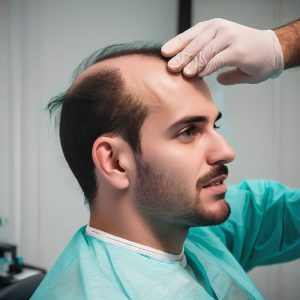
Choosing the Best Technique:
– Individual Factors: The best technique depends on factors such as the patient’s hair loss pattern, scalp laxity, donor hair characteristics, and personal preferences.
– Surgeon’s Expertise: The experience and skill of the surgeon in performing both FUE and FUT techniques are crucial. A skilled surgeon can recommend the most suitable technique based on the patient’s unique circumstances and desired outcomes.
– Consultation: It’s essential to have a thorough consultation with a qualified hair transplant surgeon. They can evaluate your specific situation, discuss the advantages and considerations of each technique, and recommend the best approach to achieve your goals effectively.
Ultimately, the best type of hair transplant is one that aligns with your individual needs, offers the highest likelihood of achieving natural-looking results, and is performed by a skilled and experienced surgeon.
Disadvantages of hair transplant
While hair transplantation is generally considered safe and effective, there are some potential disadvantages and considerations to be aware of:
1. Scarring:
– FUT (Strip Method): Leaves a linear scar at the donor site, which can be noticeable if the hair is cut short. However, advancements in surgical techniques aim to minimize scarring.
– FUE: Leaves tiny dot-like scars scattered across the donor area. These scars are usually less noticeable compared to FUT, but in some cases, they can be visible if the hair is very short.
2. Risk of Complications:
– As with any surgical procedure, there are risks of complications such as infection, bleeding, numbness, and potential adverse reactions to anesthesia. However, these risks are generally low when performed by a qualified surgeon in a reputable clinic.
3. Hair Growth and Density:
– The success and density of hair growth can vary among individuals. Factors such as the quality of donor hair, the technique used, and post-operative care can influence the results.
4. Cost:
– Hair transplantation can be costly, especially if multiple sessions or large numbers of grafts are required. The cost varies depending on factors such as the technique used, the extent of hair loss, and the geographic location of the clinic.
5. Time and Patience:
– Achieving optimal results from hair transplantation requires time and patience. It can take several months to see significant growth and up to a year or more for final results.
– Multiple sessions may be necessary for some patients to achieve desired density, which requires commitment to follow-up appointments and ongoing care.
6. Naturalness and Aesthetics:
– While modern techniques aim to achieve natural-looking results, the outcome of hair transplantation may not always meet every patient’s aesthetic expectations.
– The angle, direction, and density of transplanted hair must be carefully planned to blend seamlessly with existing hair and facial features.
7. Not Suitable for Everyone:
– Not everyone may be a suitable candidate for hair transplantation due to factors such as insufficient donor hair, unstable hair loss patterns, or medical conditions that affect healing.
Despite these potential disadvantages, many individuals find that the benefits of hair transplantation outweigh the risks and drawbacks. It’s important to thoroughly discuss expectations, risks, and alternative treatments with a qualified surgeon during the consultation process. This ensures an informed decision and realistic expectations about the procedure.
Treata can provide all hair transplant services for patients at Afshan Clinic, Bazarganan Hospital, and Yas Hospital.

Hair transplantation Services
Economic
include:
Airport transfer
Translator
Operation
Medicine
Sim card
Standard Package
Include:
Airport transfer
Welcome dinner
Hotel3*-2night
Operation and hospital stay
Translator
Medicine
Sightseeing tour-tehran
Sim card
VIP package
Include:
Airport transfer
Welcome dinner
Hotel 4*-2night
Operation and hospital stay
Translator
Medicine
sightseeing tour
Sim card and internet
Our Team

DR. Hassan Rashki M.D.
TREATA MEDICA TOURISM platform, by having numerous contracts with medical centers and doctors, especially in Iran and other countries, has made it possible for international patients and beauticians to be able to choose the services they need between medical centers and doctors in the most transparent way.
TREATA’s professional team does its best to provide the best service to its customers and TREATA guarantees its medical services.

DR. Afshan Shah M.D.
TREATA MEDICA TOURISM platform, by having numerous contracts with medical centers and doctors, especially in Iran and other countries, has made it possible for international patients and beauticians to be able to choose the services they need between medical centers and doctors in the most transparent way.
TREATA’s professional team does its best to provide the best service to its customers and TREATA guarantees its medical services.

Elham Fazaeli
TREATA MEDICA TOURISM platform, by having numerous contracts with medical centers and doctors, especially in Iran and other countries, has made it possible for international patients and beauticians to be able to choose the services they need between medical centers and doctors in the most transparent way.
TREATA’s professional team does its best to provide the best service to its customers and TREATA guarantees its medical services.