


Packages

Afshan Clinic
Hair transplants are now used as a more common method to restore lost hair in men. Today in Iran, using the latest hair transplant techniques and without using the methods that may leave surgical scars, the largest number of hairs are placed for the patient in just one session. Having sufficient skills and using advanced equipment is a condition for success in hair transplantation, which is done by Iranian specialists in the best possible way. It can be said with confidence that Iran is the best destination in the world for hair transplantation

Maryam Clinic
Intracytoplasmic sperm injection is an in vitro fertilization procedure in which a single sperm cell is injected directly into the cytoplasm of an egg and An embryo (fertilized sperm) is then transferred into the recipient’s uterus

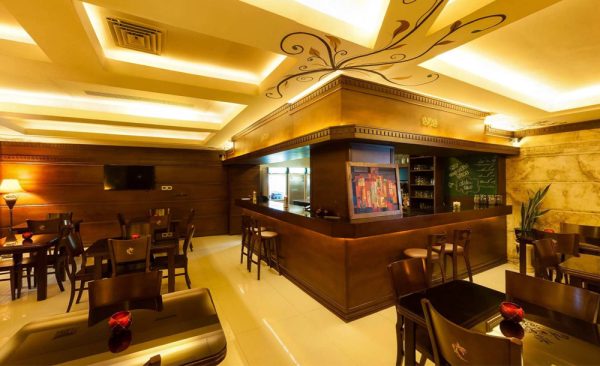
Gandi Hospital
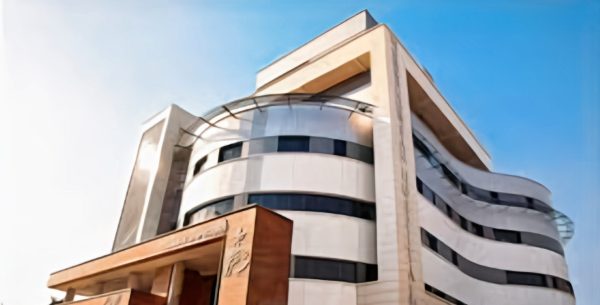
Fatemeh Hospital
Cheek prosthesis is used for people who want to have prominent cheeks. In this procedure, the plastic surgeon places the prosthesis on the cheekbone in a completely professional way. In this method, there is no effect of surgical incision on the face.
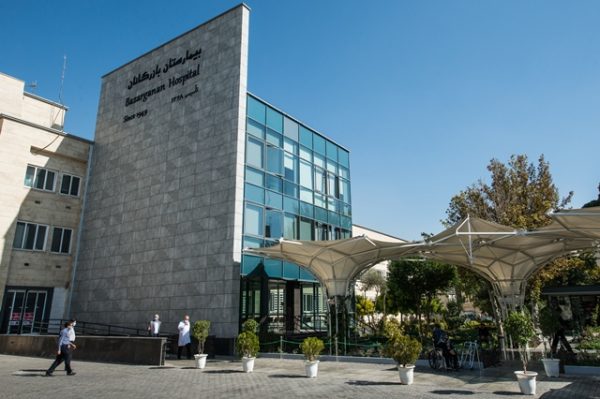

Bazarganan Hospital
Orthopaedic surgeons are devoted to the prevention, diagnosis, and treatment of disorders of the bones, joints, ligaments, tendons and muscles. Some orthopaedists are generalists, while others specialize in certain areas of the body, such as: Hip and knee. Foot and ankle.
Bazarganan Hospital
Eyebrow lift surgery is an outpatient procedure in which the surgeon uses the plastic surgery techniques to shape the eyebrow to the desired shape. Iranian plastic surgeons have a special skill in this method.
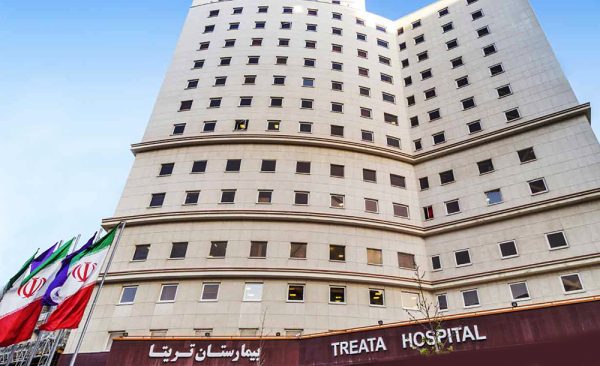
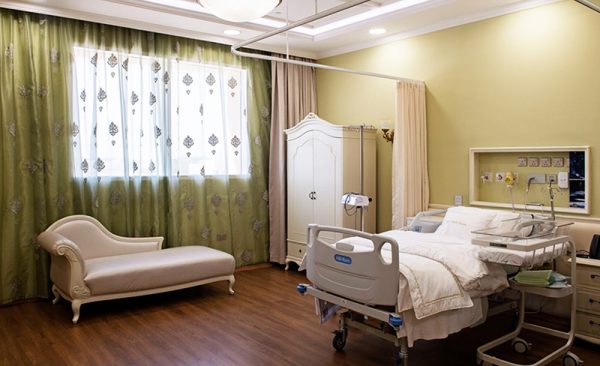
Treata Hospital
Dr. Marjan Shams-Mammoplasty
The gastrointestinal system includes the mouth, pharynx (throat), esophagus, stomach, small intestine, large intestine, rectum, and anus. It also includes the salivary glands, liver, gallbladder, and pancreas, which make digestive juices and enzymes that help the body digest food and liquids.
Fatemeh Hospital
Treata Hospital
Gandi Hospital
Bazarganan Hospital
Angiography is a well-known method in which cardiologists use a camera to observe the entire path of the coronary arteries and can clearly see it if the arteries become blocked. This technique is cheaply available in Iran and is done in the fastest possible time.